
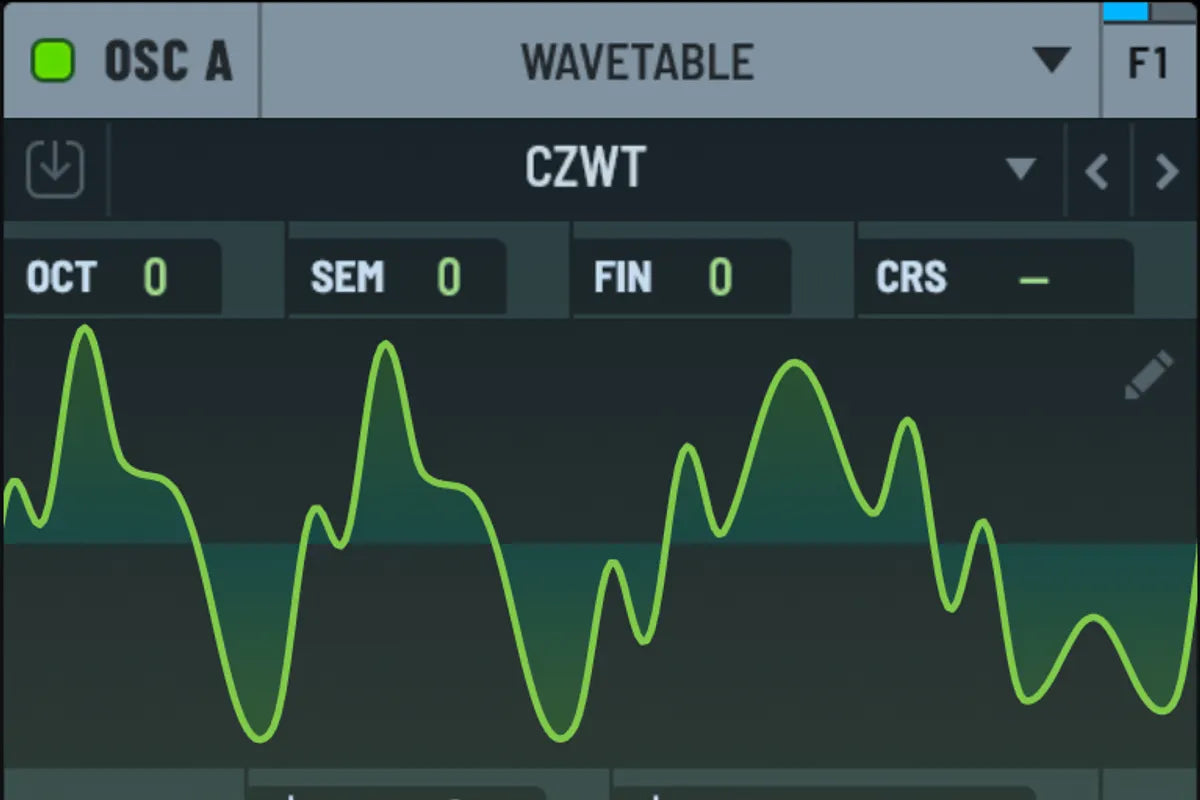
The Fingerprint of a Sound: What Wavetables Actually Do, and Why It Matters for Rave Production
A wavetable is not a sample. It is the oscilloscope fingerprint of a sound — the blueprint of how a piece of hardware vibrates — captured as a single waveform cycle and transplanted into a modern s...
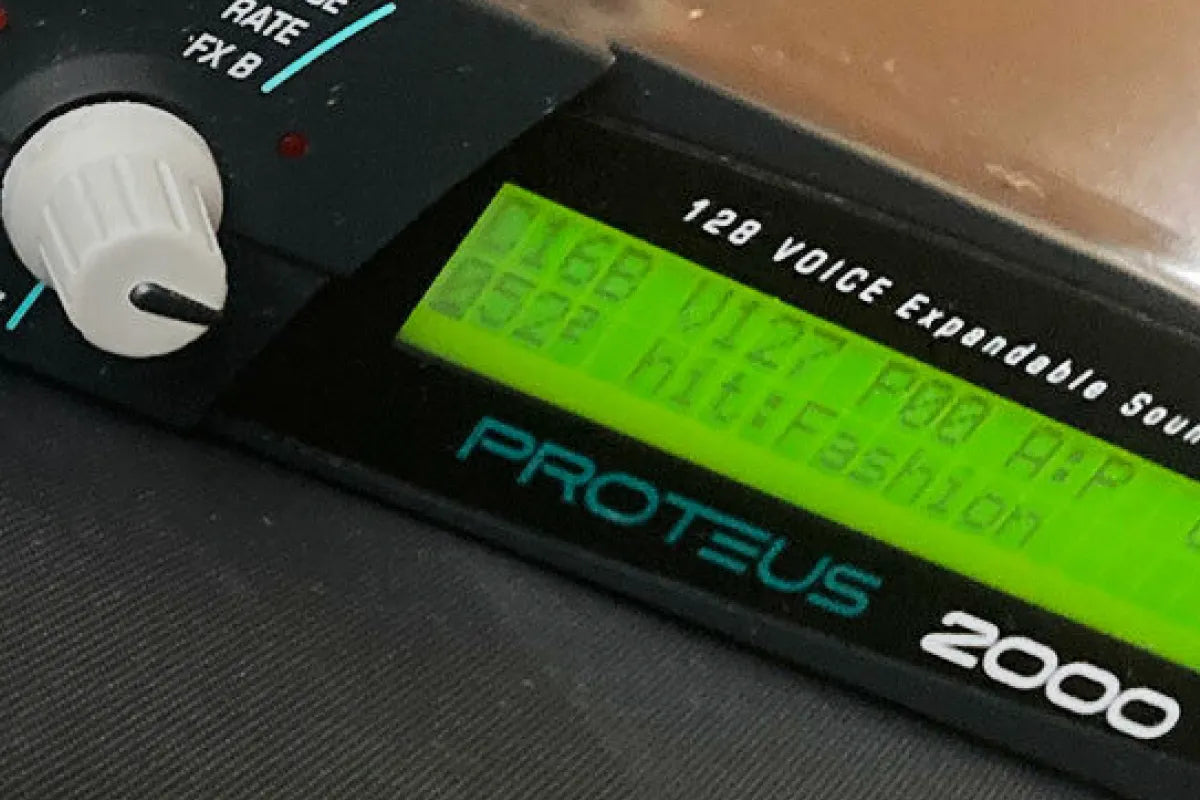
Rave Hits and Stabs (And Why You Need Them)
You're four bars into a breakdown and something's not quite right. The pads are doing their thing, bass is rolling along nicely, but there's no... punctuation, you know what I mean? Nothing that ma...
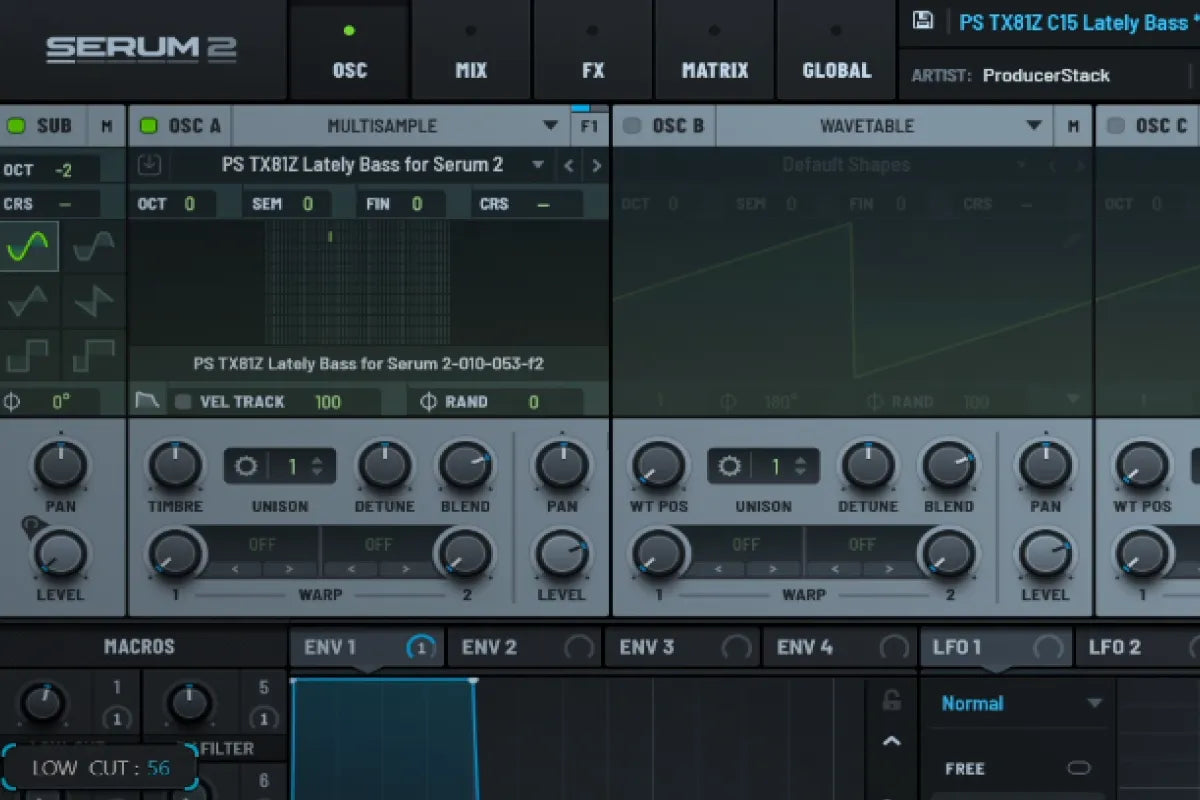
Why Multi-Sampling Matters: The Secret to Hardware Character in a Digital World
You've noticed it. That slight disappointment when you load up a software emulation of a classic hardware synth. It sounds... fine. Technically accurate. But somehow flat. Lifeless. Too perfect. Th...
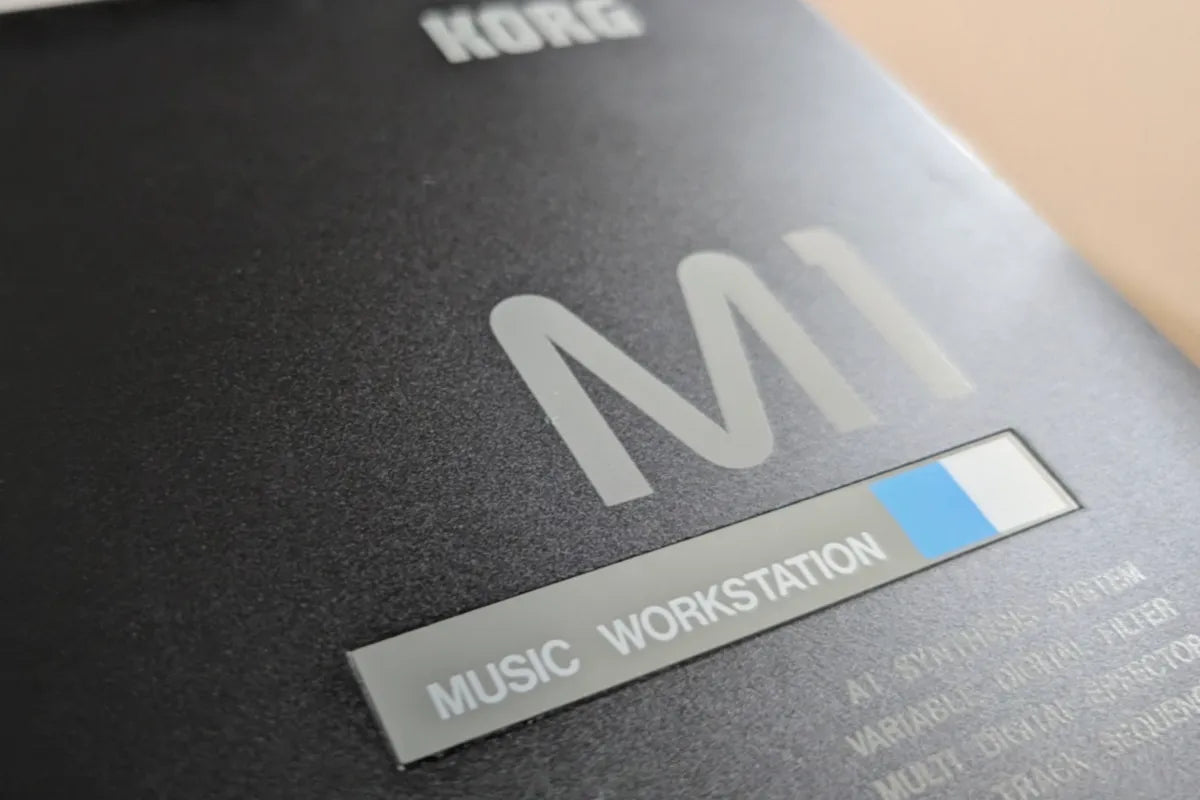
The M1 Piano 16: The Sound That Built House Music
When people hear the Korg M1 Piano 16, something happens. Bodies move. Hands go up. Even if they've never set foot in a production studio, that bright, percussive piano stab triggers something prim...
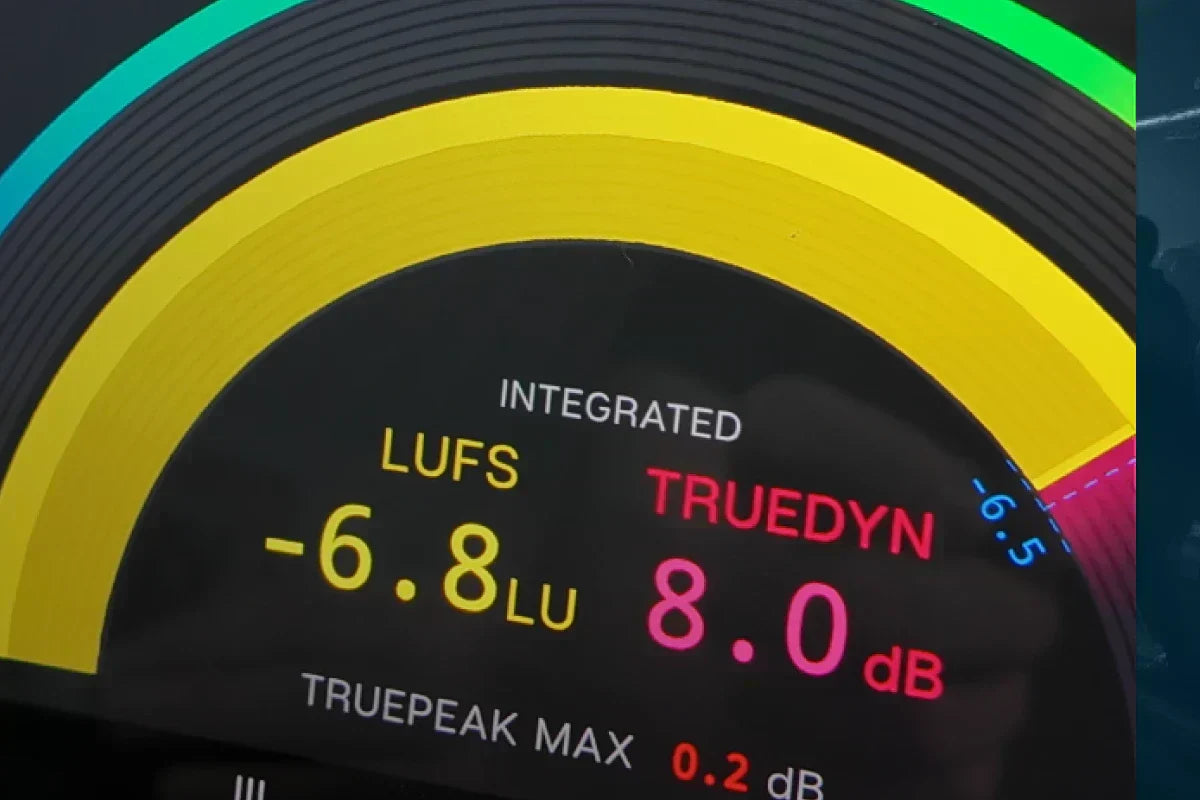
Why Loudness Still Matters in EDM (How to Get It Right)
Right, let's get straight to it – louder is still better. I know that sounds simplistic, but after three decades working with electronic music, from the early house days right through to today's st...