You've noticed it. That slight disappointment when you load up a software emulation of a classic hardware synth. It sounds... fine. Technically accurate. But somehow flat. Lifeless. Too perfect.
The problem isn't the software. It's what software can't capture.
When you play a hardware synthesizer, you're not just triggering sound samples. You're engaging with an entire signal chain: digital-to-analog converters, output stages, circuit board components, cable runs, external processing. Every element adds subtle colouration, noise, and imperfection. These "flaws" are what made your favourite records sound alive.
Software emulations skip all of that. They give you the digital samples in pristine isolation. Clean. Accurate. Dead.
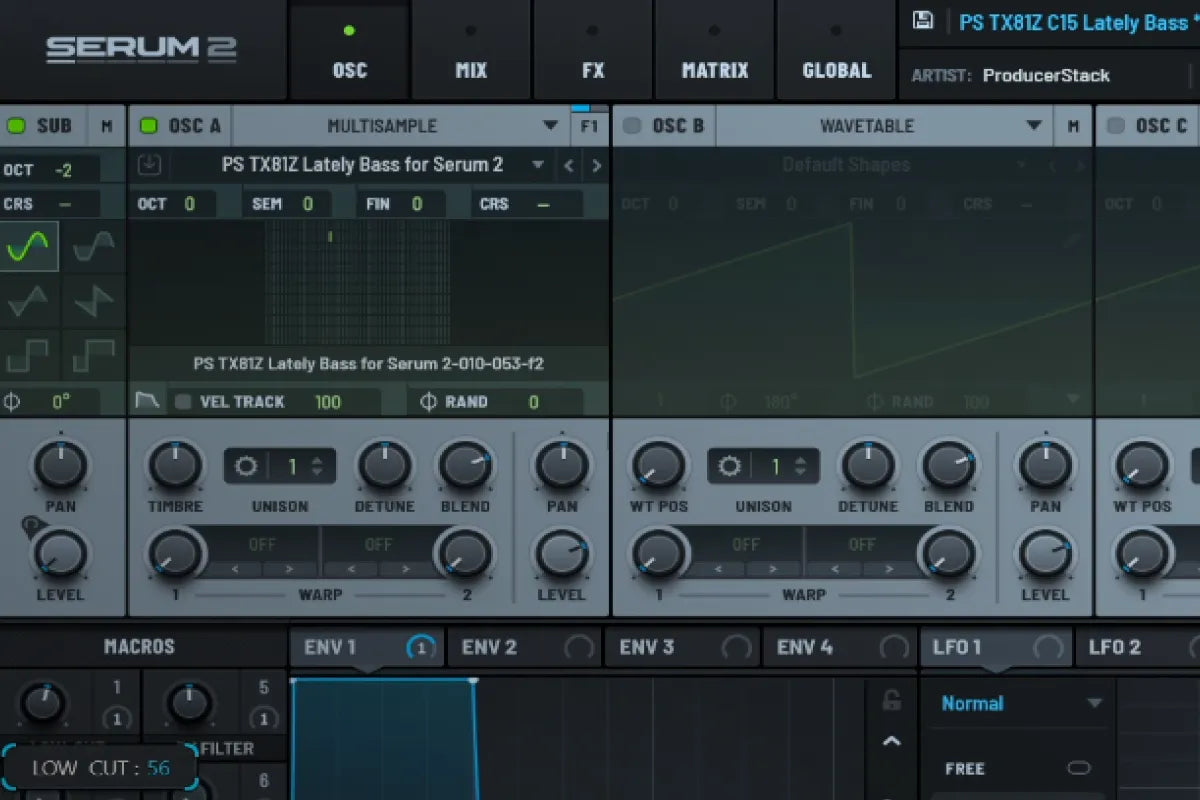
Multi-sampling is how we solve this problem. And Serum 2's multi-sampling capabilities have made it accessible to every producer.
What Multi-Sampling Actually Means

Single samples stretch across multiple octaves; multi-samples capture each note individually
Let's get the technical bit out of the way first, because it matters.
Traditional sample-based synthesis takes one audio sample and stretches it across multiple keys. Play a C sample at C and it sounds natural. Play it at G and it's pitch-shifted, faster, and the character has changed. Play it two octaves higher and it sounds nothing like the original instrument would sound at that pitch.
Multi-sampling records every note (or every few notes) individually. More importantly, it records each note at multiple velocity levels - how hard you hit the key. This captures how the instrument's timbre actually changes across its range and dynamic response.
But here's what most people miss: multi-sampling also captures everything that happens after the sound leaves the instrument. The DAC chip's character. The output stage's colouration. The noise floor. The analog processing chain. All those imperfections that software emulations deliberately remove.
That's the secret. Multi-sampling doesn't just recreate the notes. It recreates the experience of playing hardware through a real-world signal chain.
The Serum 2 Revolution
Serum 2 quietly introduced something that changes everything: proper multi-sample support.
Previously, if you wanted to use multi-sampled hardware, you needed dedicated sampler software like Kontakt or HALion. Powerful tools, but they're samplers - designed for playback, not synthesis. You'd have your multi-sampled piano in one plugin, your wavetable synth sounds in another, your processing in yet another.
Serum 2 is different. It's primarily a synthesis powerhouse - wavetable manipulation, dual filters, comprehensive effects, modulation routing that puts most hardware to shame. But now it can also load and play multi-sampled instruments. This means you get authentic hardware character and modern synthesis capabilities in the same plugin.

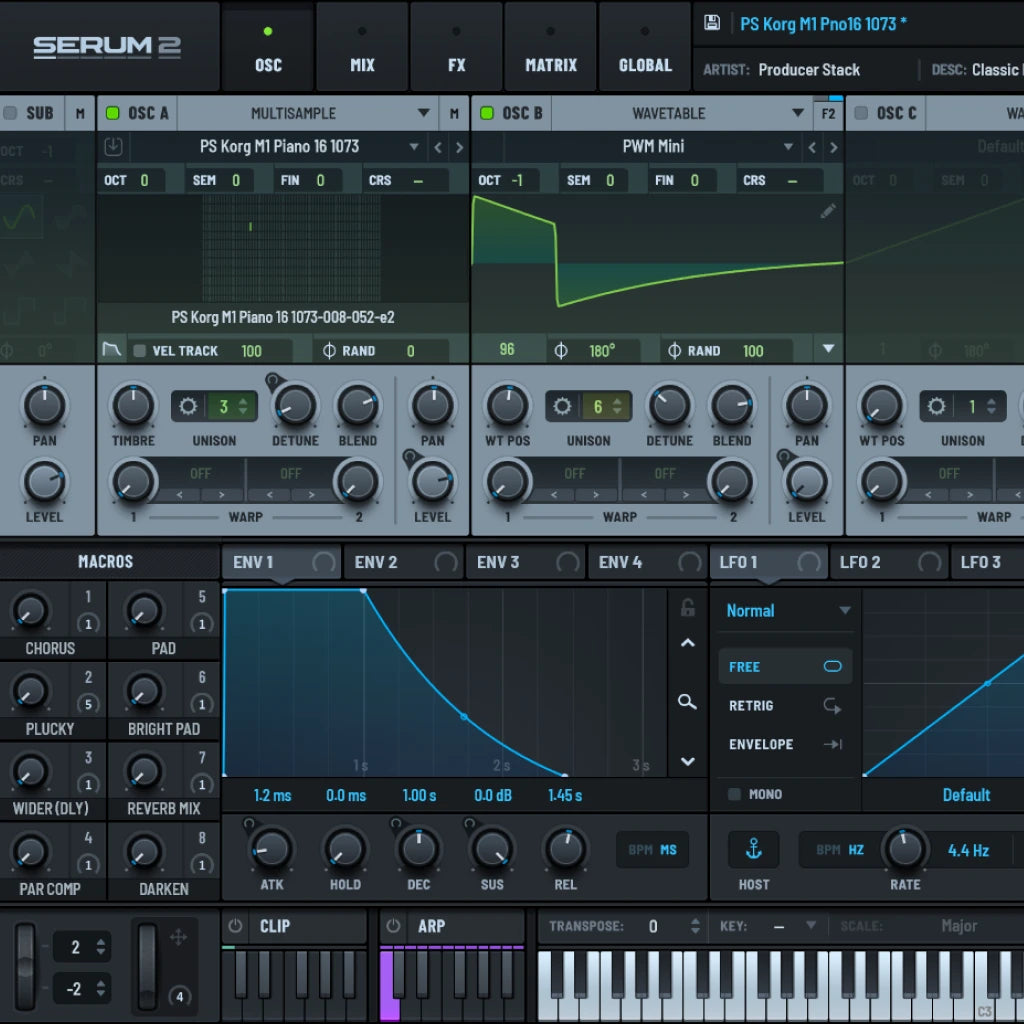
Serum 2 combines authentic hardware character with cutting-edge synthesis
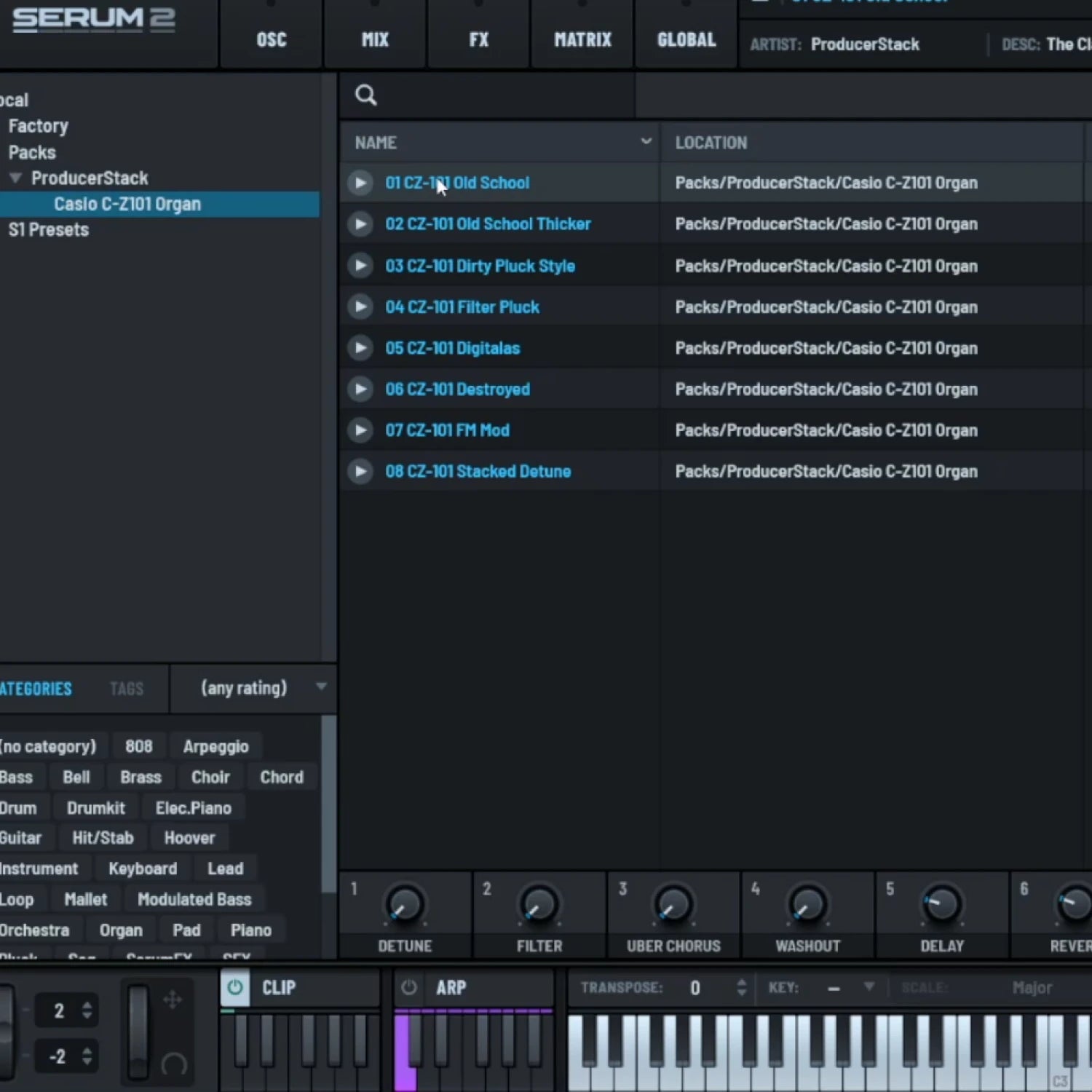
The workflow is stupid simple: drag and drop a preset file onto Serum 2, and you've got your multi-sample loaded. From there, you can process it through Serum's effects, apply modern filters that the original hardware never had, use macro controls to shape the sound in ways that would have been impossible in the 90s.
You're not locked into the limitations of vintage gear. You're getting the character of vintage gear with the flexibility of modern production.
Why Vintage Hardware Character Disappears in Software Emulations
Let's talk about the elephant in the room: vintage synthesizers are dying.
A Korg M1 from 1988 is nearly 40 years old. Even well-maintained units have degrading membrane switches, dimming LCDs, and components that weren't designed to last four decades. A Roland Juno-106 has voice chips that fail so commonly there's an entire cottage industry supplying replacements. A Yamaha DX7's battery dies and takes all your presets with it.
This isn't theoretical. These instruments are actively deteriorating. And while some (like the M1) are relatively repairable, others use proprietary chips that simply don't exist anymore. When they die, they're gone.
Multi-sampling is preservation. It's capturing not just the sound of these instruments, but the complete hardware experience - including all those "flaws" that make them sound real - before they disappear forever.
The M1 Piano Case Study
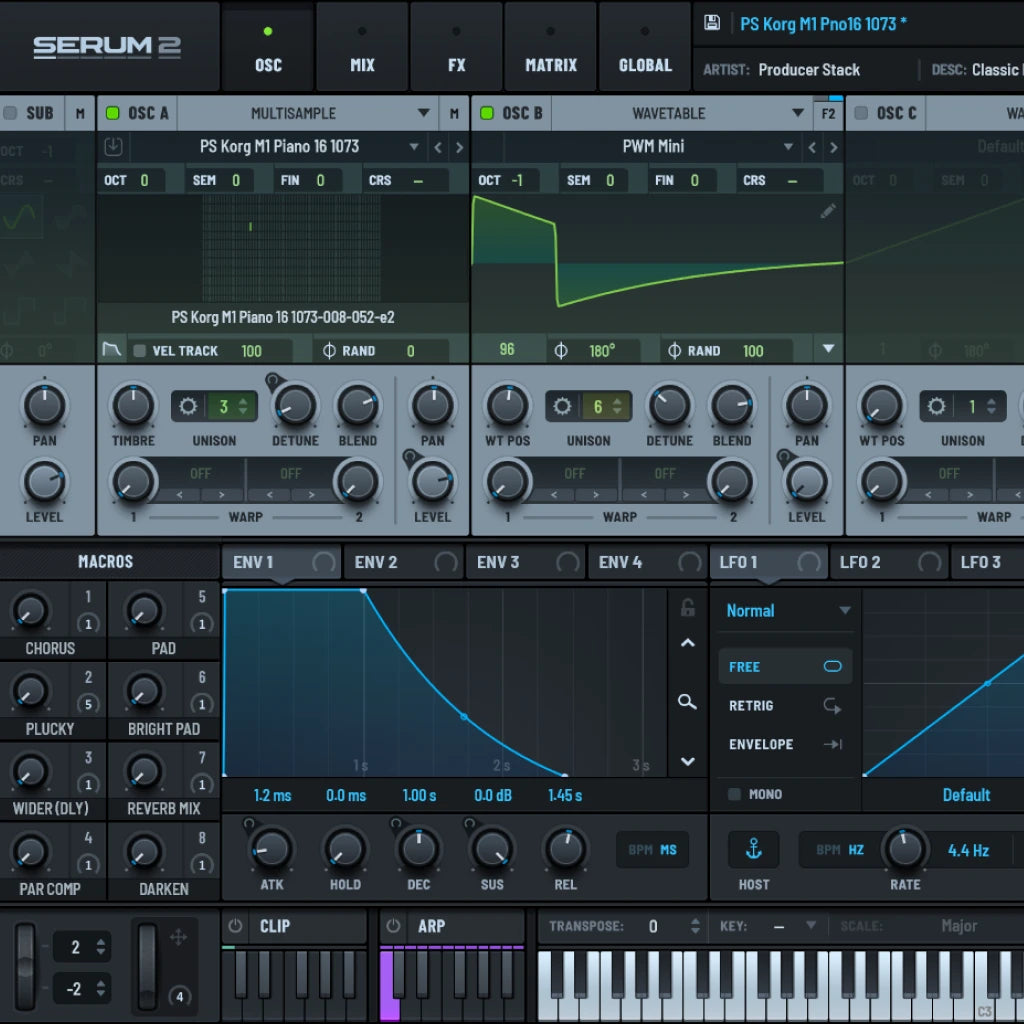
Let me show you what this looks like in practice with a specific example: the Korg M1 Piano 16 preset.
Released in 1988, the M1 was never supposed to be a dance music instrument. It was aimed at composers who needed realistic piano sounds. The Piano 16 preset was, objectively, a terrible recreation of an acoustic piano. Any actual pianist would have laughed at it.
But UK house producers in the late 80s weren't pianists. They needed a sound that would cut through a 125 BPM groove without getting in the way. The M1 Piano 16 was bright, punchy, and crucially, it worked without much processing. That "bad" piano sound became the sound of house music. Madonna's "Vogue," Robin S's "Show Me Love," countless warehouse anthems - all used this exact preset.

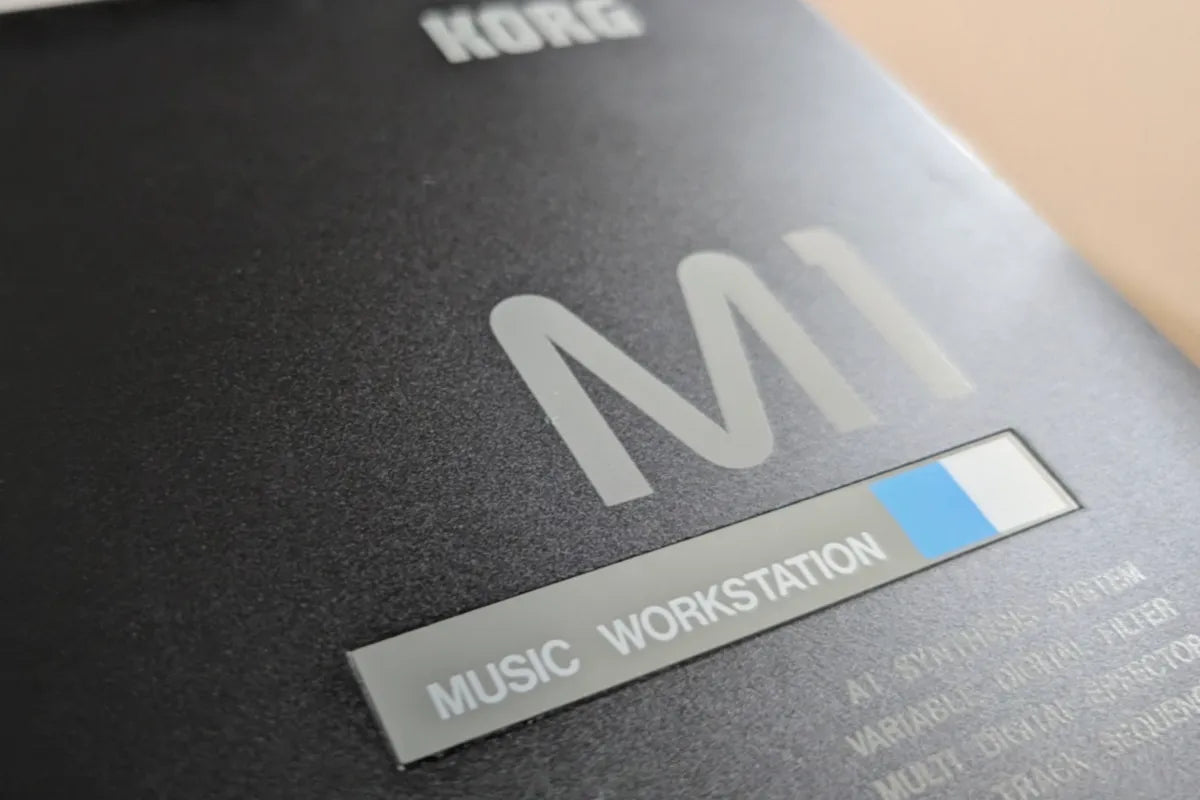
The Korg M1's 'flawed' piano sound defined an entire genre
When you load up Korg's official M1 VST, you get the exact same PCM samples that were in the original hardware. Technically identical. But it doesn't sound quite right. Why?
Because the VST is missing the Burr-Brown PCM54 DAC chip's character. It's missing the output stage circuitry. It's missing the cables, the external preamps, all the analog stages that coloured the sound on those original records. The VST is mathematically perfect, but those records weren't made with perfect sounds.
When we multi-sample an M1, we capture all of that. We record it through the same kind of professional signal chain (Neve 1073 preamps in our case) that coloured classic records. We capture twelve velocity layers per note, preserving how the hardware responds to being played softly, medium, and hard. We're not just sampling the notes - we're sampling the entire hardware experience.
Load that multi-sample into Serum 2, and now you can apply modern filtering, use contemporary effects, route modulation in ways the M1's designers never imagined. But the core sound - that authentic hardware character with all its beautiful imperfections - remains intact.
Beyond the M1: Universal Applications
The M1 is just one example. This approach works for any hardware you want to preserve.
Got a Roland Juno-106? Multi-sample those lush pads before the voice chips die. Own a Yamaha DX7? Capture those FM tines with all the hardware's grit. Found a pristine vintage string machine? Sample it before the next component fails.
The process is the same: record each note at multiple velocities, capture the complete signal path, import into Serum 2 (or Ableton racks for Live users), and you've preserved that hardware forever. It won't drift out of tune, buttons won't fail, you won't need to hunt for replacement parts.

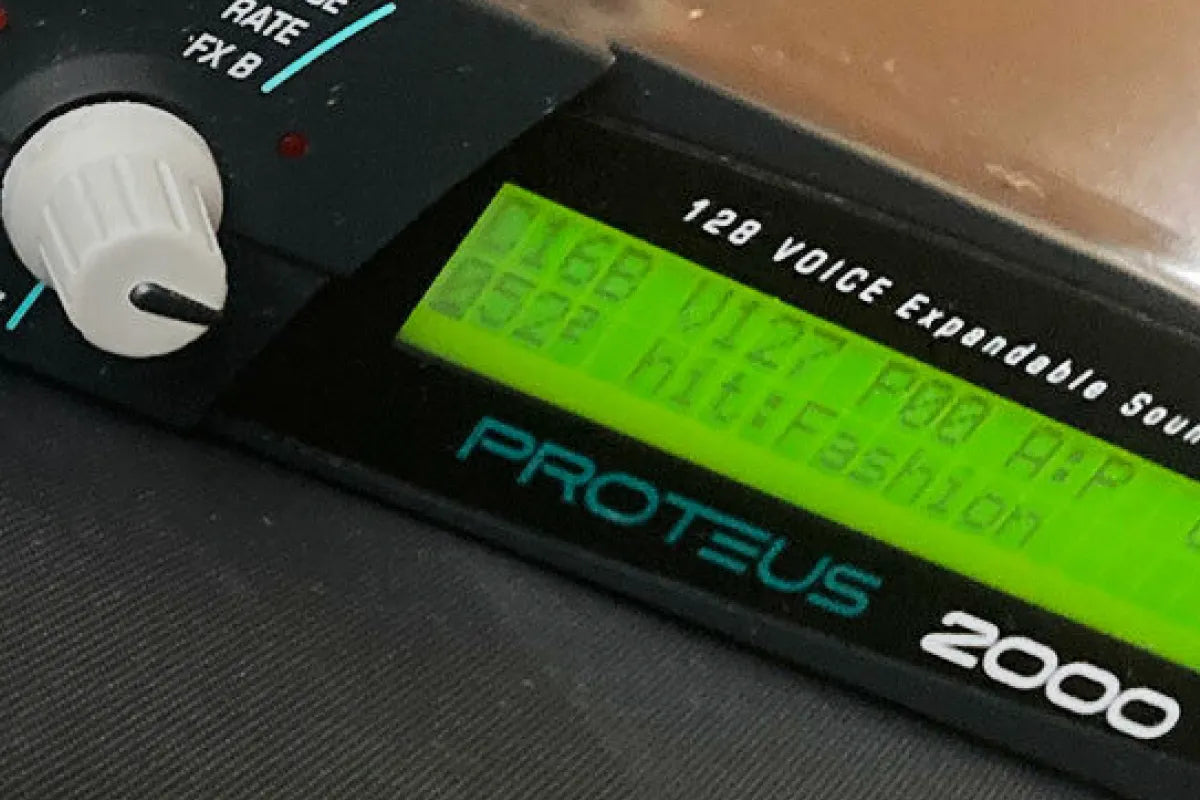
Any hardware can be preserved through multi-sampling before it's too late
But it's not just about preservation. Multi-sampling is also about access. Not every producer can afford a wall of vintage hardware. Even fewer have the space for it. And studio time with well-maintained classics is expensive. Multi-sampling democratises these sounds - capturing them once, at the highest quality, then making them available to producers worldwide.
The Velocity Layer Strategy
MIDI velocity works on a scale from 0 to 127. You could theoretically capture all 128 levels for every note. But that's massive overkill and would create unmanageable file sizes.
The number of velocity layers you need depends entirely on how the instrument actually behaves. A synth with subtle velocity response might only need six or eight layers. An instrument with dramatic timbral changes across its dynamic range might need sixteen or more. Through decades of sampling experience, we've found that twelve layers works well as a starting point for most hardware - it's enough to capture genuine dynamic response without drowning in redundant data.
The key is matching your sampling strategy to the instrument's character. Does the filter open dramatically with harder playing? More layers. Does velocity mainly affect volume with minimal timbral change? Fewer layers will do the job.
Yes, this means when you play a chord, you're technically layering multiple noise floors together. But that's exactly what happened in the 90s when producers sampled hardware into their Akai S950s or E-mu samplers. That layered character became part of the sound, part of what made those productions feel organic.
The capture process requires precision. Bespoke software ensures consistent, accurate velocity triggering across all samples. Human error would ruin the entire multi-sample, so automation is essential. But once captured, you have a complete snapshot of that instrument's behaviour.
Modern Workflow Integration

Multi-samples integrate seamlessly into modern production workflows
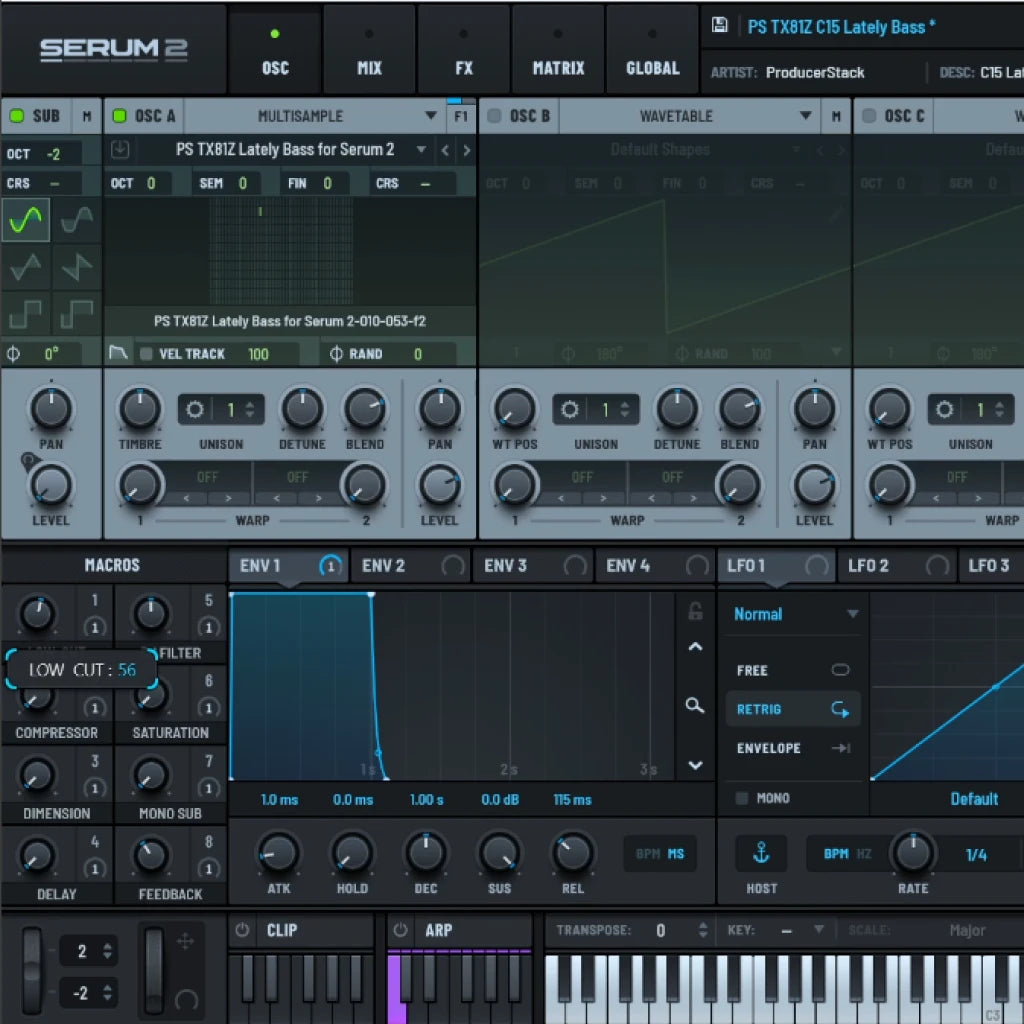
Here's where Serum 2's approach really shines. Because it's fundamentally a synthesis platform, you're not limited to just playing back samples. You can:
- Apply Serum's comprehensive effects suite
- Use modern filters with resonance that the original hardware might not have had
- Create macro controls for one-knob sound shaping
- Layer multiple multi-samples for hybrid sounds
- Process through modulation that would be impossible with vintage gear alone
We package multi-samples as both Serum 2 presets (drag-and-drop installation) and Ableton racks (for Live users who want native integration). The sound quality is authentic hardware. The workflow is modern production. Best of both worlds.
And because Serum 2 is DAW-agnostic, these sounds work identically whether you're in Ableton, Logic, FL Studio, or anything else. The multi-sample becomes a universal resource.
Why "Clean" Isn't Always Better
There's a mentality in modern production that cleaner is better. Remove the noise. Eliminate the imperfections. Get the signal as pristine as possible.
That's fine for some applications. But it's also how you end up with productions that sound technically flawless and emotionally empty.
Those "imperfections" we're capturing - the noise floor, the DAC character, the analog stages - aren't bugs. They're features. They're what made people dance to those records. They're what gave those tracks warmth and life and soul.
When you multi-sample hardware through a proper signal chain, you're preserving those features. You're capturing the sound that was actually on the records, not a mathematically perfect but emotionally sterile recreation.
The Heritage Connection
This isn't just about sound quality. It's about cultural connection.
When you use a multi-sampled M1 piano, you're directly connecting your production to four decades of house music history. When you use a sampled Juno pad, you're tapping into the same sound palette that defined 80s electronic music. These aren't generic "piano sounds" or "pad sounds" - they're specific instruments with specific histories.
Producers worldwide recognise these sounds instantly. They carry emotional weight, cultural significance, genre DNA. Using them isn't nostalgia - it's acknowledging the foundations while building something new.

Preserving hardware heritage for global producers
ProducerStack's approach is to capture these heritage sounds through professional equipment, preserving not just the notes but the complete experience, then making them accessible in modern formats. It's cultural preservation meeting contemporary workflow.
What Multi-Sampling Vintage Synths Actually Takes
If you're serious about electronic music production, you need access to these sounds. You can:
- Buy vintage hardware (expensive, space-consuming, maintenance-intensive)
- Rent studio time (costly, time-limited, often poor hardware condition)
- Use software emulations (clean, lifeless, missing analog character)
- Use professional multi-samples (authentic hardware, modern workflow, one-time cost)
Multi-sampling isn't a compromise. It's genuinely the best solution for most producers. You get authenticated hardware character without the hardware headaches. You get modern synthesis capabilities without sacrificing vintage soul.
Why Multi-Sampling Matters More in the Age of Software Synths
Serum 2's multi-sample support changes the equation. Previously, using multi-sampled hardware meant choosing between authentic samples or synthesis capabilities. Now you can have both in one plugin.
This is particularly crucial as vintage hardware becomes scarcer and more expensive. The window for capturing these instruments properly is closing. In another decade, finding a well-maintained M1, Juno-106, or DX7 will be even harder. The ones that exist will be even more degraded.
Multi-sampling is how we preserve electronic music's heritage. It's how we ensure that producers in 2026, 2036, and beyond have access to the sounds that built house, techno, and electronic music as we know it.
And with Serum 2, it's how we move that heritage forward into contemporary production without compromise.
A Quick Note on External Links
Throughout this article, we've linked to various external resources, tools, and information that we think you'll find useful. Just to be clear: we don't have any commercial relationship with these companies, we're not getting paid for these links, and we're not officially endorsing any specific product or service.
We're just sharing what we know works, what's relevant to the topic, and what might help you understand the bigger picture. Some of these are tools we use ourselves, others are just good sources of information. Take what's useful, ignore what isn't, and as always, do your own research.
We're here to share knowledge, not sell you stuff that isn't ours.