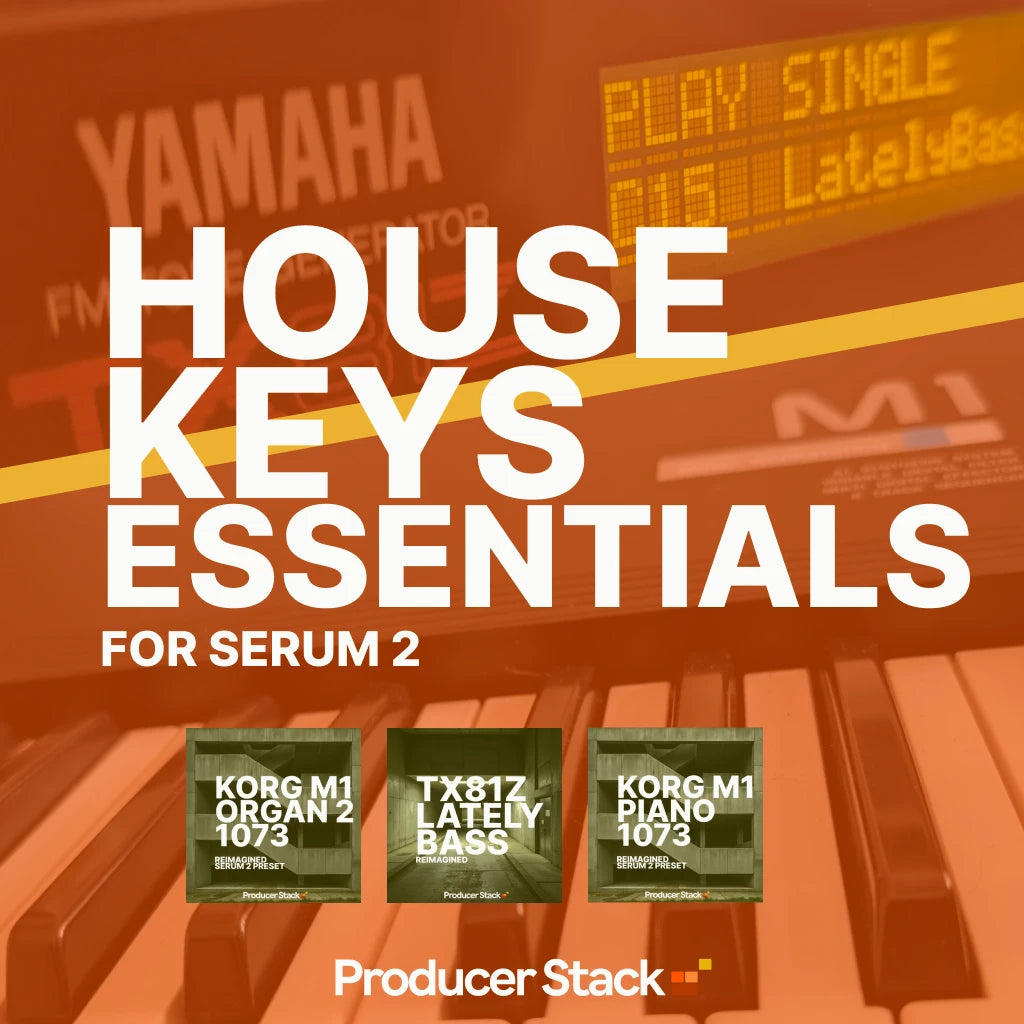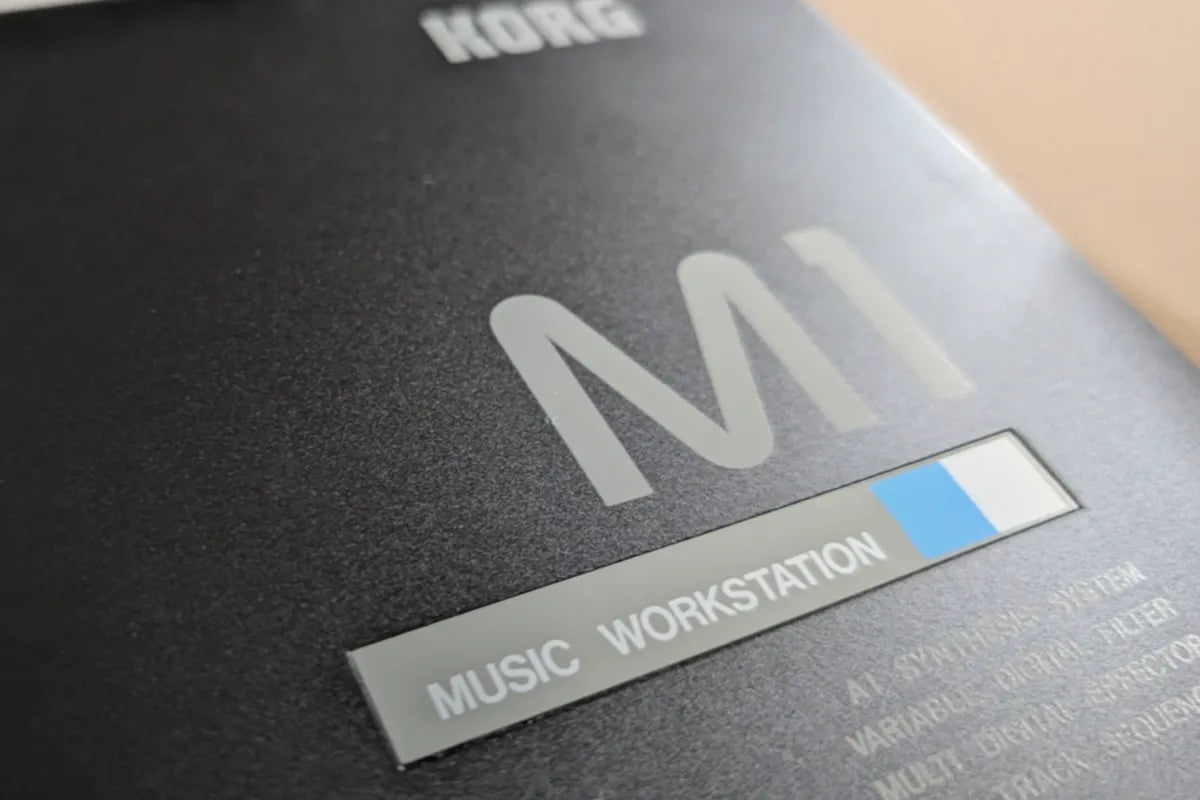
When people hear the Korg M1 Piano 16, something happens. Bodies move. Hands go up. Even if they've never set foot in a production studio, that bright, percussive piano stab triggers something primal. It's been doing that since 1988, and judging by its appearance on Beyoncé's "Break My Soul" in 2022, it's not stopping anytime soon.
This isn't just another vintage synth sound. This is the sonic DNA of house music's golden era, the connecting thread between underground warehouse raves and chart-topping hits. And yeah, I still get excited when we fire one up in the studio.
When "Good Enough" Became Legendary
The M1 wasn't designed for house music. Korg released it in 1988 for £1,499, positioning it as an affordable workstation for composers and session musicians. They were selling it on having "a real piano sound." Piano players would tell you it sounded nothing like a real piano. But producers who were making house music? They thought it was perfect.
Here's why: the M1 was a rompler, using PCM samples stored in limited memory. To fit everything in, Korg used just a handful of piano samples stretched across the keyboard. If you look at the waveform in a spectroscope, you can actually see a noise artefact halfway through—a technical limitation that became part of the character.
The result? Bright. Punchy. Slightly metallic. It cut through a mix with aggressive clarity. When you played it over a 909 kick and a bassline, it didn't fight for space—it occupied its own sonic territory. That "good enough" quality that made it affordable for bedroom producers became the exact characteristic that defined the era.
The Hits That Made History
What happened next shaped popular music. The M1 Piano 16 appeared everywhere:
Madonna's "Vogue" (1990) used it. Black Box's "Ride on Time" (1989) was built on it. Snap!'s "Rhythm Is A Dancer" (1992) drove it hard. These weren't underground tracks—these were worldwide hits that brought house music to mainstream radio.

The M1 Piano 16 soundtrack to house music's takeover of the charts
In the UK, every significant house label used it. Defected, Strictly Rhythm, Hot Creations, Toolroom, dig through their back catalogues and you'll hear that sound repeatedly. It wasn't overused; it was ubiquitous because it worked.
Fast forward to 2022, and Beyoncé puts it on "Break My Soul." Not as a retro nod, but because that sound still carries weight. When serious producers want to invoke house music's cultural authority, they reach for the M1 Piano 16.
The sound in this article

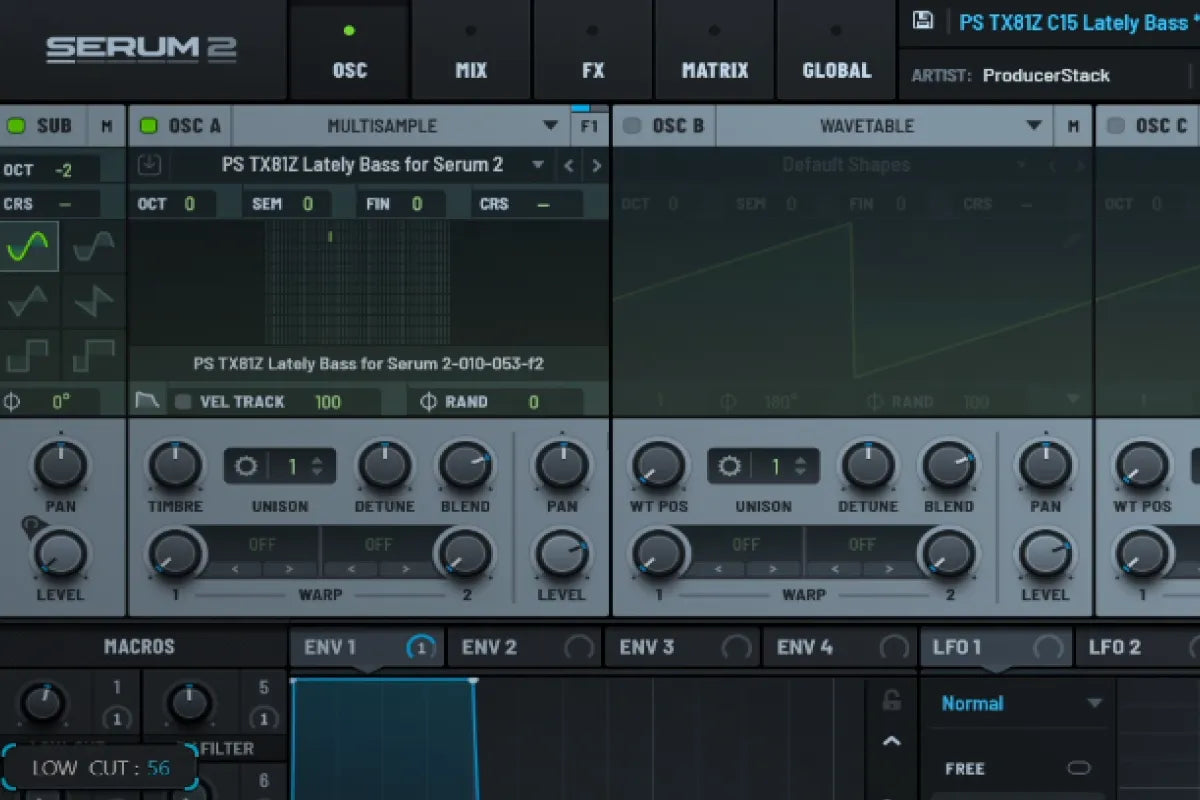
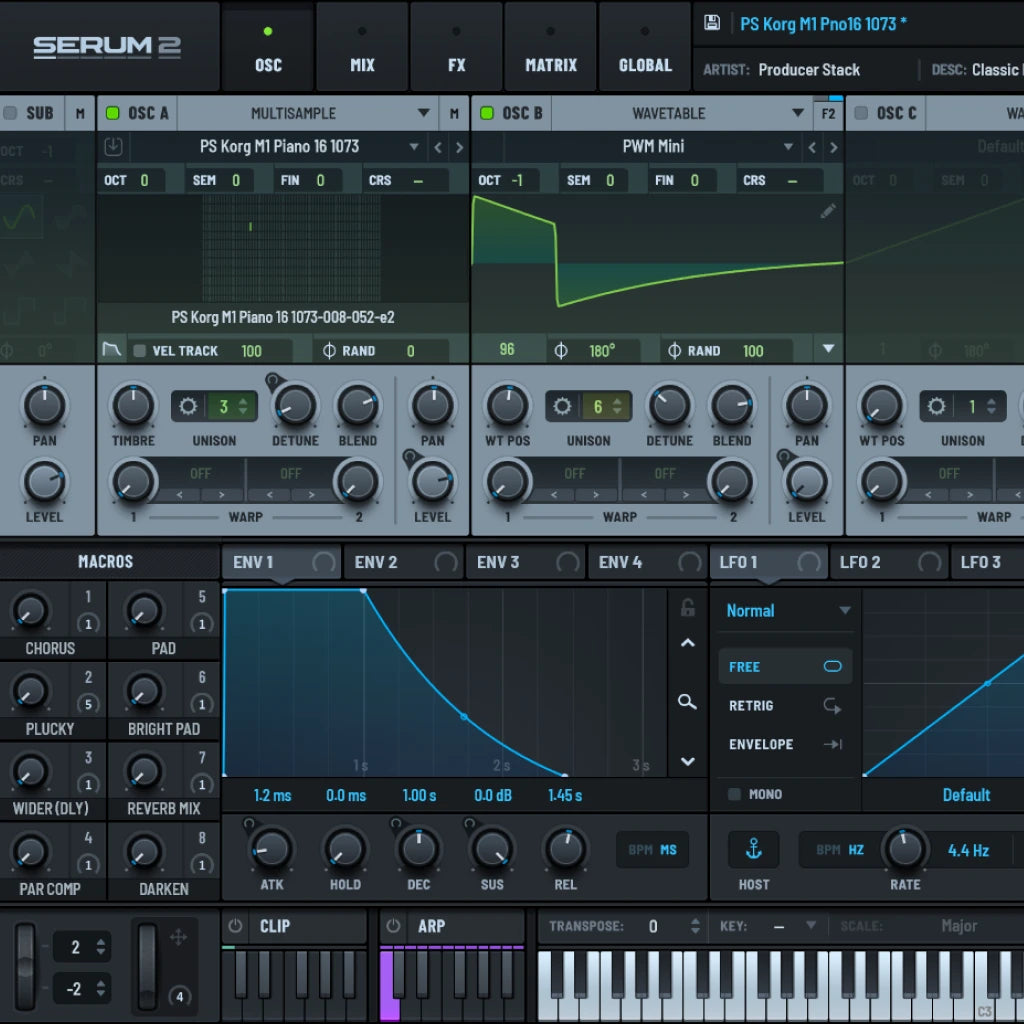
A 1988 M1 sampled note by note through a Neve 1073 DPX. 732 samples, 12 velocity layers, 40 MIDI loops.
Why This Sound Still Matters
I think about this a lot when we're capturing vintage hardware. Why does this particular sound endure when so many others have been replaced by modern alternatives?
The answer isn't just sonic—it's cultural. The M1 Piano 16 carries three decades of dancefloor memories. When you hear it, even if you don't consciously recognise it, your body knows. It's embedded in the collective memory of house music.


That aggressive transient and bright frequency content - the M1's fingerprint
For producers, it's also about credibility. Using the M1 Piano 16 demonstrates awareness of house music history. It shows you've done your homework, that you understand the lineage connecting today's productions to the warehouse raves where UK house music was forged.
This isn't a sound you deploy casually. It's a statement.
Free download

20 progressions played on the M1 piano and organ from this article. 80 WAV renders and 20 MIDI files, no charge.
How the Korg M1 Piano 16 Was Multi-Sampled
When we decided to multisample the M1 Piano 16, we weren't interested in approximations. We sourced a pristine 1988 M1 in proper working order—not easy given these machines are pushing forty years old now, and captured it through Neve 1073 DPX preamps.

Why Neve? Because that's part of the professional studio sound that made these recordings legendary in the first place. The 1073 adds subtle harmonic richness without colouring the source dramatically. It's not about making it sound different—it's about preserving the three-dimensional quality you get from proper analogue circuitry.
We captured 732 samples across 12 velocity layers. Not just a few notes stretched across the keyboard, but comprehensive multisampling that preserves how the M1 responds to different playing dynamics. When you play soft, you get that softer timbre—not just a quieter version of the loud sound.
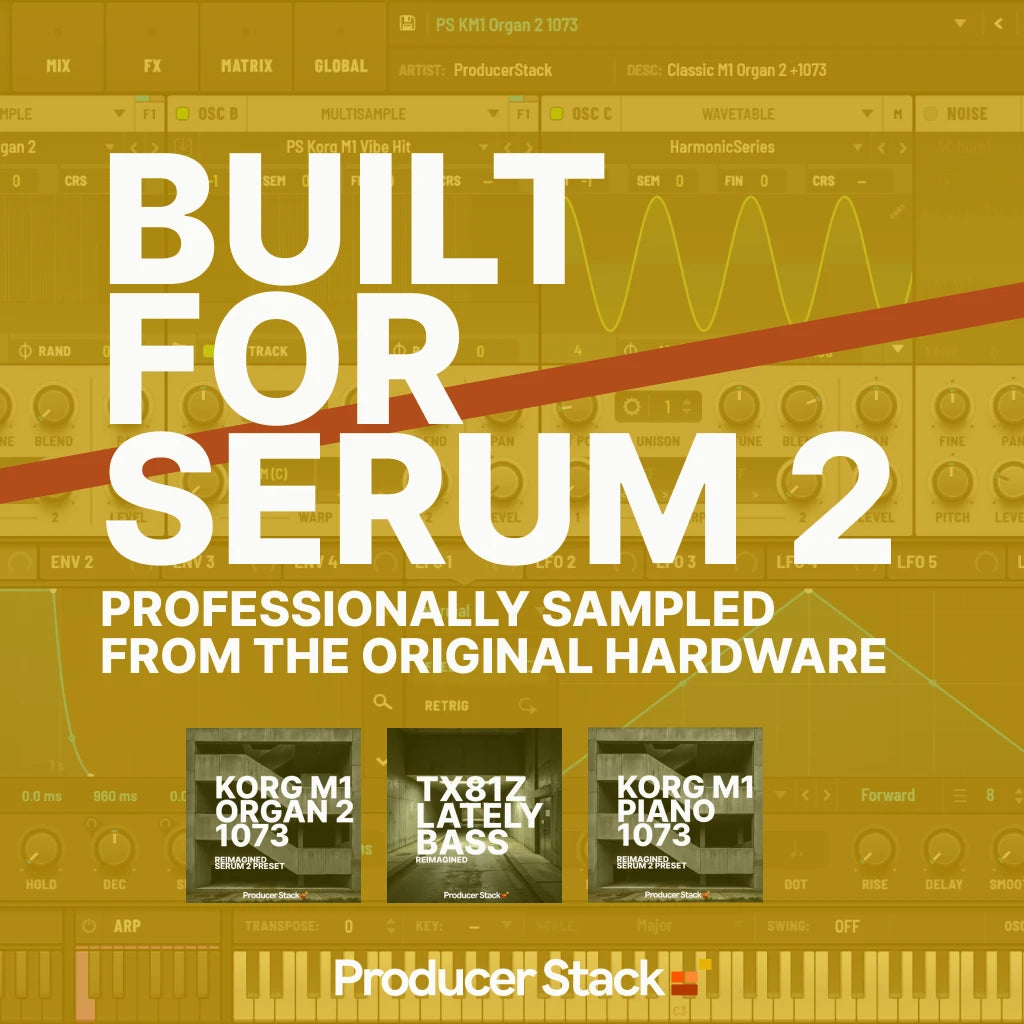
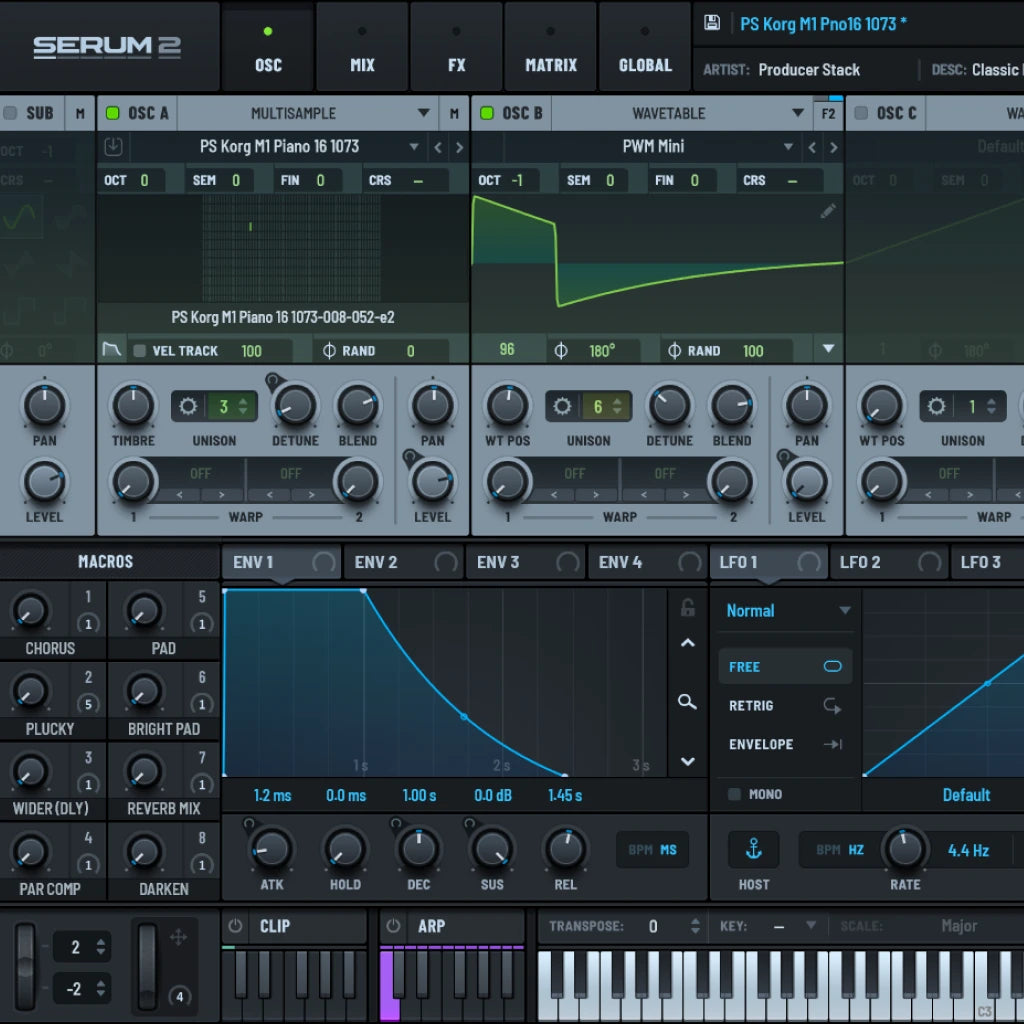
The result is available as both a Serum 2 preset and an Ableton Live Rack.
Using the Korg M1 Piano 16 in Modern House and Garage Production
The M1 Piano 16 isn't about sounding retro. It's about having access to a sound with genuine character and proven track record. Modern tech house producers layer it with subtle sidechain compression to make it breathe with the kick. Deep house producers add reverb to fill space without muddiness. UK garage producers use it for stabs that cut through with clarity.

From 1988 hardware to modern workflow - the sound that never gets old
But here's what strikes me: producers are also using it in unexpected ways. Pitching it down for atmospheric textures. Running it through granular processing for evolving pads. Chopping it up for rhythmic elements. The point isn't to replicate 1990s house music—it's to have a sound with authentic character that works in contemporary contexts.
The Sound That Makes People Dance
You know what I love about the M1 Piano 16? Its job description hasn't changed in thirty-six years. Play it over a house beat, and people dance. That's been true since Ron Hardy hammered "Move Your Body" at the Music Box in 1985. It's been true through every evolution of house music since. And watching crowds respond to "Break My Soul" in 2022, it's clearly still true now.
Whether you're in Manchester making tech house, Berlin producing deep house, or São Paulo exploring UK garage influences, you're using the same sonic signature that defined house music's greatest era.
People hear the M1 Piano 16 and they dance. Always have. Always will.
A Quick Note on External Links
Throughout this article, we've linked to various resources, tools, and information that we think you'll find useful. Just to be clear: we don't have any commercial relationship with these companies, we're not getting paid for these links, and we're not officially endorsing any specific product or service.
We're just sharing what we know works, what's relevant to the topic, and what might help you understand the bigger picture. Some of these are tools we use ourselves, others are just good sources of information. Take what's useful, ignore what isn't, and as always, do your own research.
We're here to share knowledge, not sell you stuff that isn't ours.