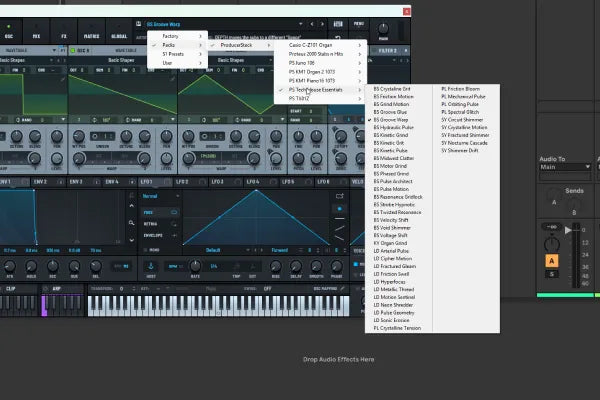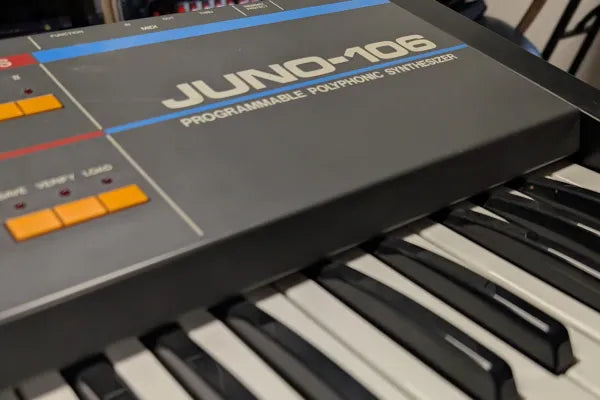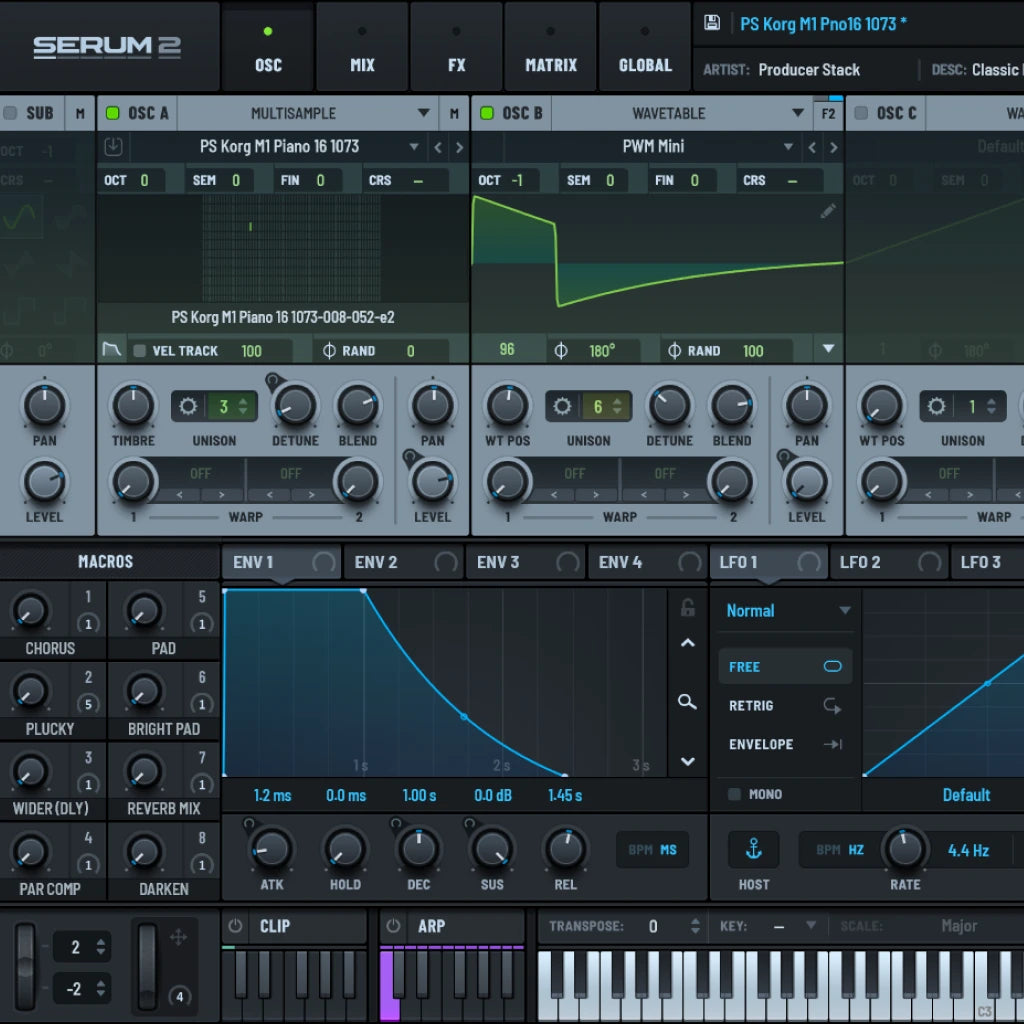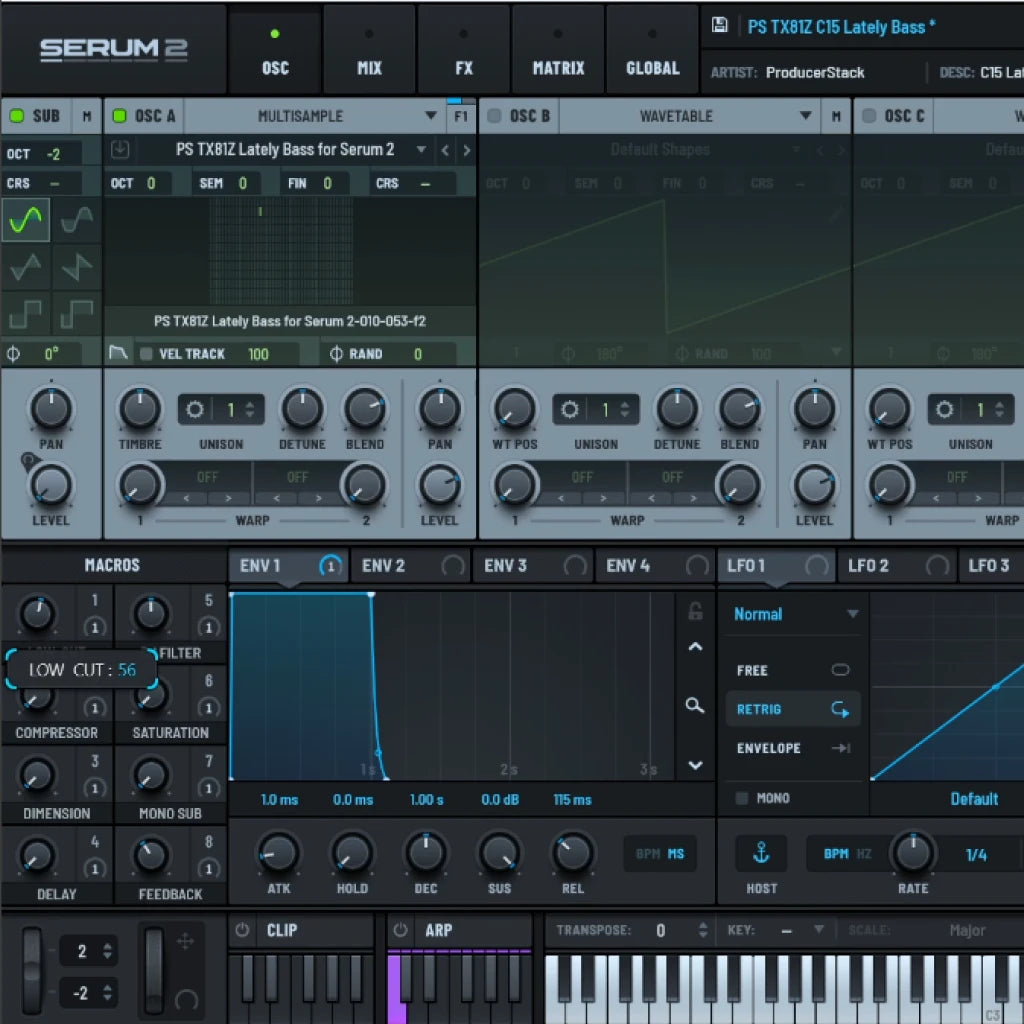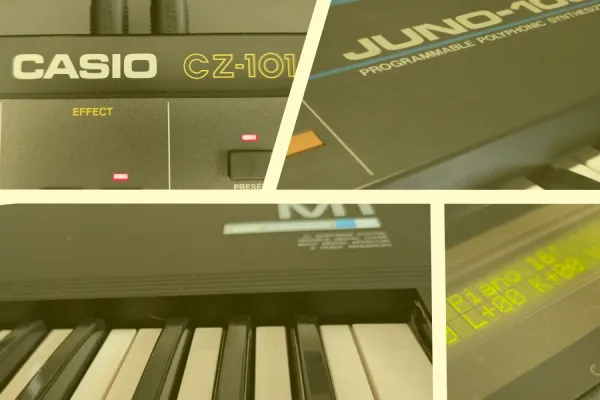
If you took the records that built house music and pulled them apart, you would not find a cupboard full of rare, expensive synthesisers. You would find the same small set of affordable machines turning up again and again. A Korg M1. A Roland Juno-106. A Yamaha TX81Z. An Akai sampler. A Casio. The same handful of boxes, used by everyone, until the sounds stopped belonging to any one record and became the sound of the genre itself.
That is the pattern I keep coming back to after years of sampling old hardware. The gear that shaped this music was rarely the best gear. It was the accessible gear, the machines ordinary producers could actually afford, used so heavily that their sounds now carry the emotional weight of an entire era. The Heritage Sounds Bundle is, simply, that whole palette in one place.
Why these specific machines
Each one earned its place by doing a particular job better, or cheaper, than anything else, and getting used everywhere as a result.
The Korg M1 gave house its piano and organ, the bright, percussive stabs behind a thousand records from the late eighties onward. The Roland Juno-106 gave it warmth: lush, chorus-soaked pads and round, simple bass that sat under tracks and held them together. The TX81Z Lately Bass gave it a bass that cut through any system, the woody FM sound you could follow on a club rig or a phone. The Casio rave organ and the S950 drums fill in the rest of the picture, the stabs and the sampled, slightly gritty percussion that define the harder, rave end of the sound.
Individually, each is a foundational sound. Together they are most of the toolkit behind classic and contemporary house.
The thread that runs through all of them
There is one idea that connects every machine in this bundle, and it is worth understanding because it changes how you use them. None of these sounds was prized for being clean or accurate. They were prized for being familiar. The M1 piano had a noise artefact baked into it. The Juno chorus hissed. The Lately Bass was a factory preset nobody programmed. The imperfections were part of the character, and the character is what listeners now recognise.

So the goal in capturing them was never a clinically perfect model. It was to keep the exact texture that became familiar, intact, with the rough edges that make your ear go "I know that sound." That is why we multi-sampled the real hardware for Serum 2 rather than modelling the circuits. The reasoning behind that choice is set out in the piece on why multi-sampling matters, and it applies to every sound in the bundle.
Why the whole palette together
You could buy these one at a time, and plenty of people do, picking up the Juno for its pads or the TX81Z for its bass. But there is a real argument for having the full set in front of you. A house track is rarely built on one heritage sound. It is the M1 stab over the Juno pad with the Lately Bass underneath and the sampled drums driving it, the machines working together exactly as they did on the original records. Having the whole palette means you can reach for any of those parts the moment a track needs it, without stopping to decide whether this is the one you bought.
Where the bundle fits
The Heritage Sounds Bundle brings together the classic machines that built house music, the Korg M1, the Roland Juno-106, the TX81Z Lately Bass, the Casio rave organ, and the S950 drums, all multi-sampled for Serum 2 with their real character kept intact. It is the sound of the records you love, gathered into one palette, ready to build the next one.